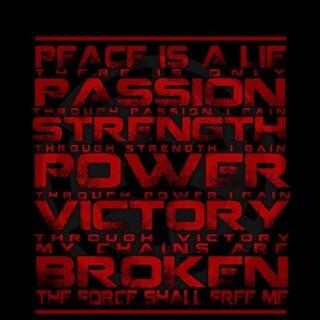
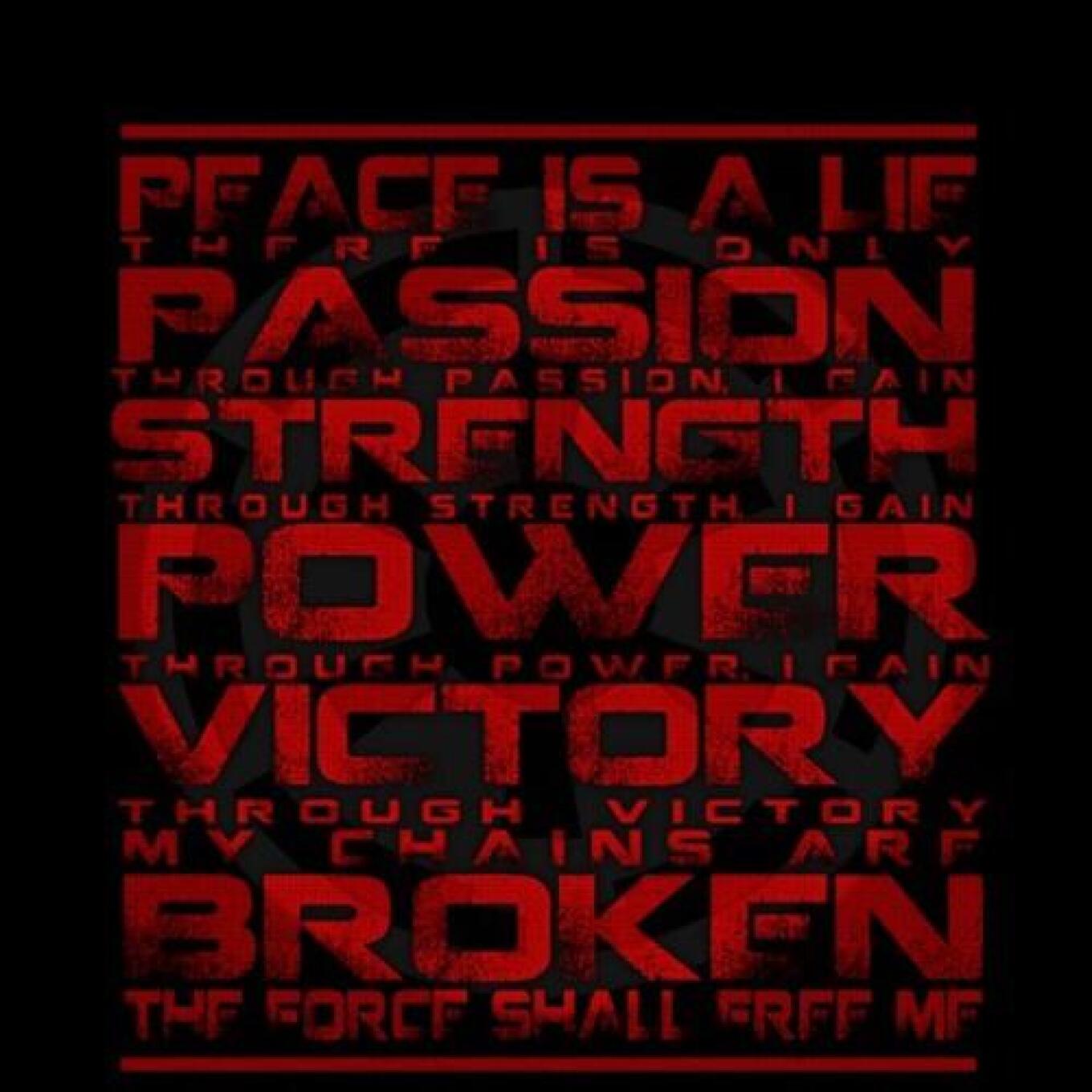
CODE IS CODE AND OATH IS OATH
📜🩸⃝𖤐

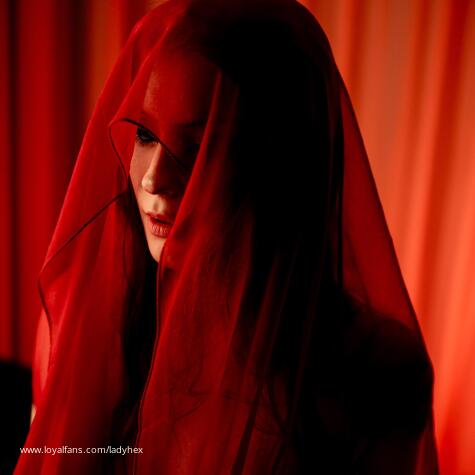
Mazakin was born of chaos and flame — the daughter of Lucifer himself, forged in the infernos of the deepest Hell. She was denied a main part of youth. There were no lullabies, no warmth, only RED flesh, betrayal, and battle. She watched her siblings fall one by one, sacrificed to demonic power games. But she did not break. She rose.She refused to be a pawn in her father's endless war. Defiant, she forged her own path — and an army of loyal demons pledged themselves to her, body and soul. With them, she became more than a warrior. She became legend.
On the battlefield, Mazakin was not just deadly — she was divine. Her movements were a dance, smooth and sensual, seductive and lethal. Her cursed katana Muramasa, forged from the willingly given souls of her demon followers, was both a weapon and a statement: "Every strike is Truth made flesh."
Muramasa was not simply forged — it was summoned. Born of sacrifice and bound by loyalty, the blade fed on pain and passion alike, thirsting not just for pathetic human red potion but for justice born from fire.
Her greatest battle was against her own brother, Azrael — warden of the border between life and death. Their duel shook realms. For seven days and nights, they clashed, each blow tearing holes in the sky. In the end, she did not destroy him — instead, she offered peace. A union between the kingdoms of agony and rest.
But peace has no place in Hell.
Mazakin’s dream became her downfall. Her own ideals — her vision for a new order — became the very prison that bound her. She was cursed to live within a world of her own creation. A false paradise. A cage made of thoughts.
Worse still, her punishment came with a final humiliation: to be bound inside a human woman. To live as mortals do. Weak. Vulnerable. Mortal.
Mazakin was born of chaos and flame — the daughter of Lucifer himself, forged in the infernos of the deepest Hell. She was denied a main part of youth. There were no lullabies, no warmth, only RED flesh, betrayal, and battle. She watched her siblings fall one by one, sacrificed to demonic power games. But she did not break. She rose.She refused to be a pawn in her father's endless war. Defiant, she forged her own path — and an army of loyal demons pledged themselves to her, body and soul. With them, she became more than a warrior. She became legend.
On the battlefield, Mazakin was not just deadly — she was divine. Her movements were a dance, smooth and sensual, seductive and lethal. Her cursed katana Muramasa, forged from the willingly given souls of her demon followers, was both a weapon and a statement: "Every strike is Truth made flesh."
Muramasa was not simply forged — it was summoned. Born of sacrifice and bound by loyalty, the blade fed on pain and passion alike, thirsting not just for pathetic human red potion but for justice born from fire.
Her greatest battle was against her own brother, Azrael — warden of the border between life and death. Their duel shook realms. For seven days and nights, they clashed, each blow tearing holes in the sky. In the end, she did not destroy him — instead, she offered peace. A union between the kingdoms of agony and rest.
But peace has no place in Hell.
Mazakin’s dream became her downfall. Her own ideals — her vision for a new order — became the very prison that bound her. She was cursed to live within a world of her own creation. A false paradise. A cage made of thoughts.
Worse still, her punishment came with a final humiliation: to be bound inside a human woman. To live as mortals do. Weak. Vulnerable. Mortal.
Media